

Explore Sapa: where to go
Terraced valleys, ethnic villages, high mountain passes and waterfalls — a local guide to Sapa’s best places and the tours that visit them.
About Sapa
A mountain town in the Hoang Lien Son range
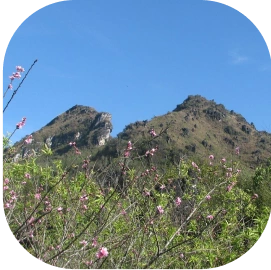
Sapa sits at around 1,500 metres in Lao Cai Province, in the far north-west of Vietnam, close to the Chinese border. It is surrounded by the Hoang Lien Son mountains, including Fansipan, the highest peak in Indochina.
The valleys around town are home to H’mong, Red Dao, Tay and Giay communities, whose rice terraces, villages and markets are the reason most travellers come. The climate is cool all year, with misty winters and green, rainy summers.
- LocationLao Cai Province, north-west Vietnam
- Altitude of townApprox. 1,500 m
- From HanoiApprox. 5–6 hours by bus or limousine
- Best monthsMarch–May and September–November
- Rice harvestLate August–September
- WinterDecember–February: cold, sometimes frost
Valleys & Villages
Muong Hoa Valley
Sapa’s most famous terraced valley
4 tours visit here
Lao Chai Village
Black H’mong life among the terraces
4 tours visit here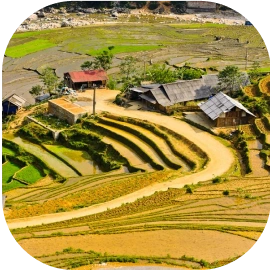
Ta Van Village
Giay homestays beside the Muong Hoa stream
4 tours visit here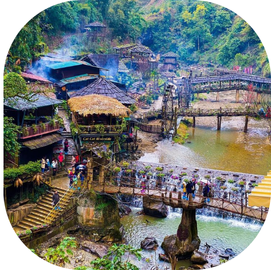
Cat Cat Village
Waterfalls, crafts and H’mong traditions
2 tours visit here
Sin Chai Village
A quiet village at the foot of Fansipan
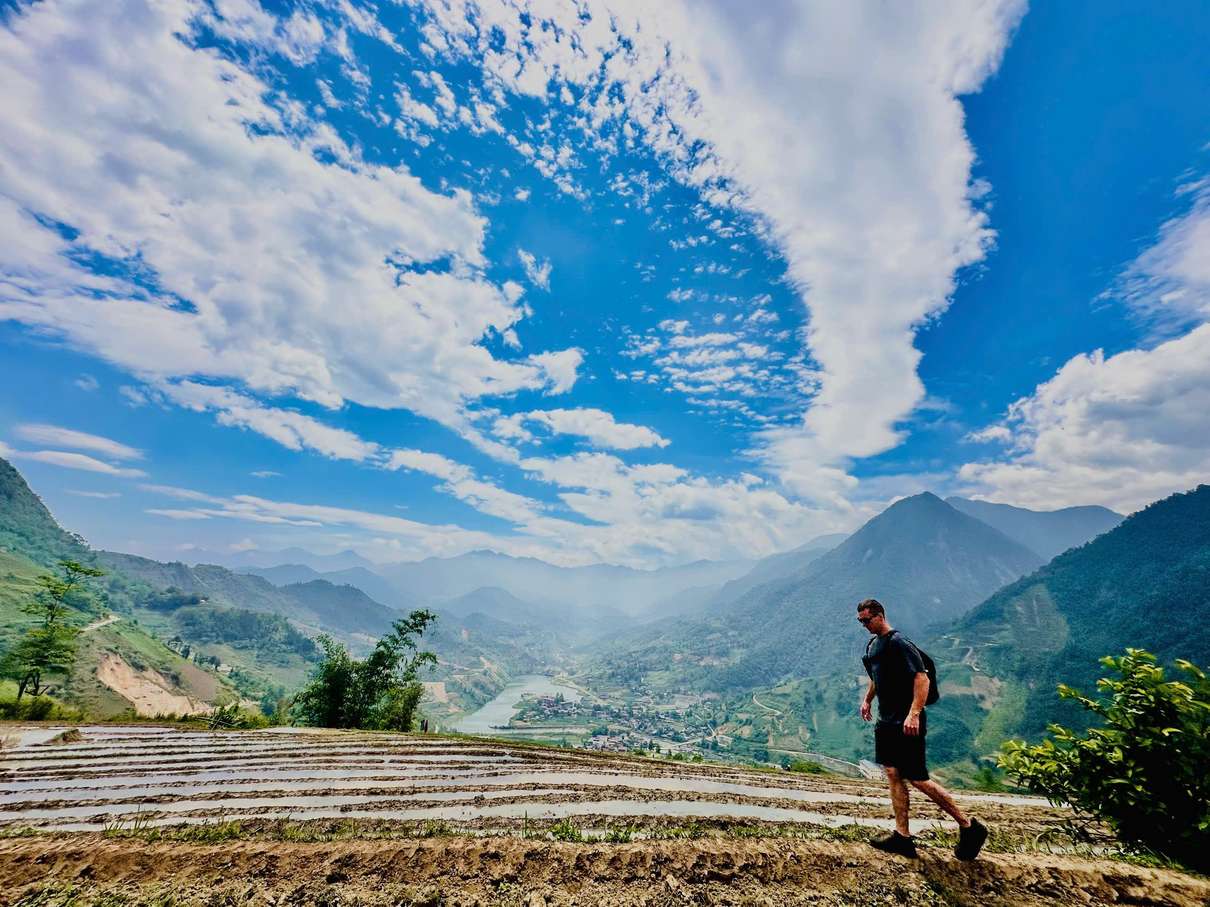
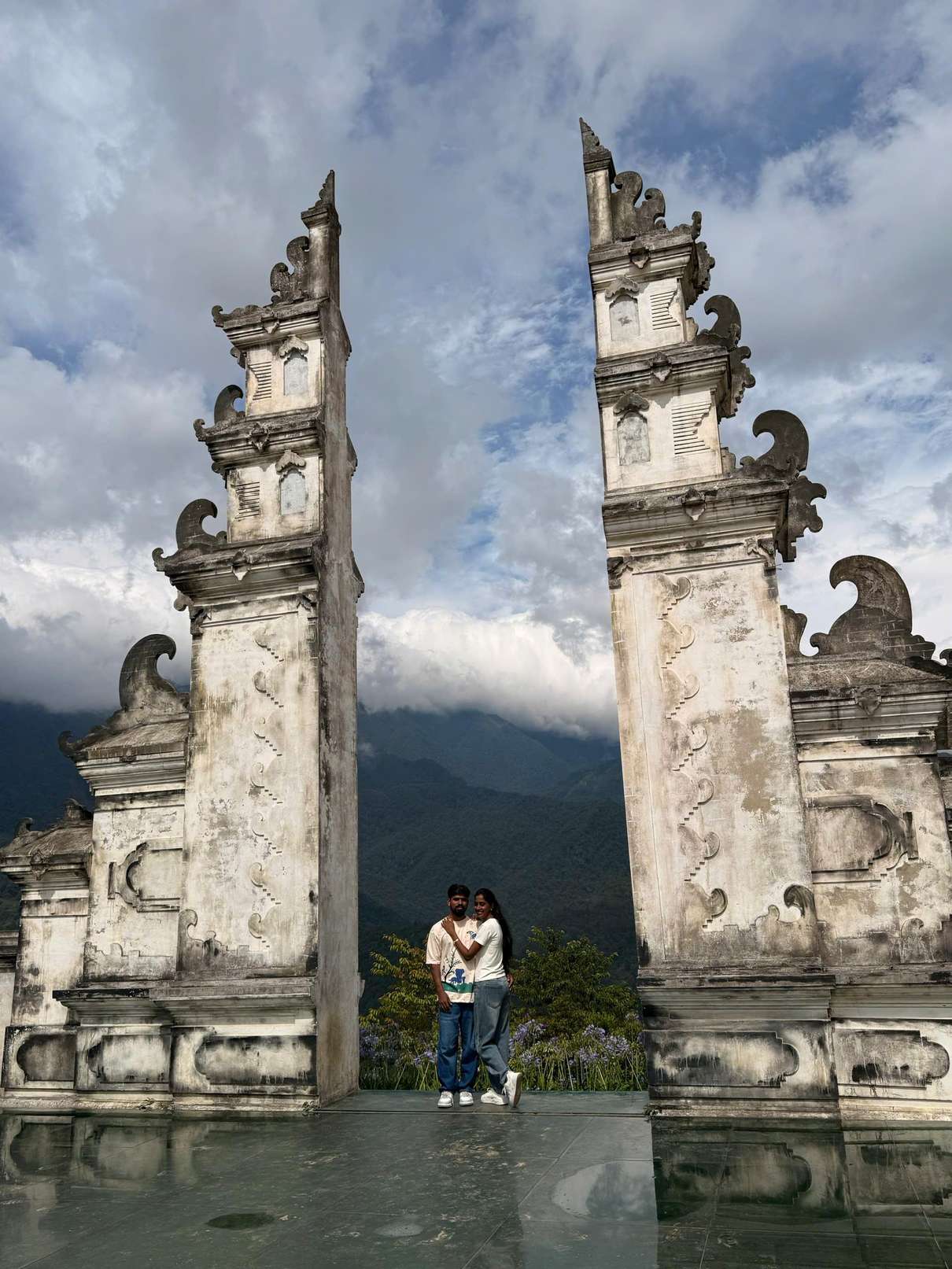
Moana Sapa
Sapa’s favourite photo viewpoint
3 tours visit here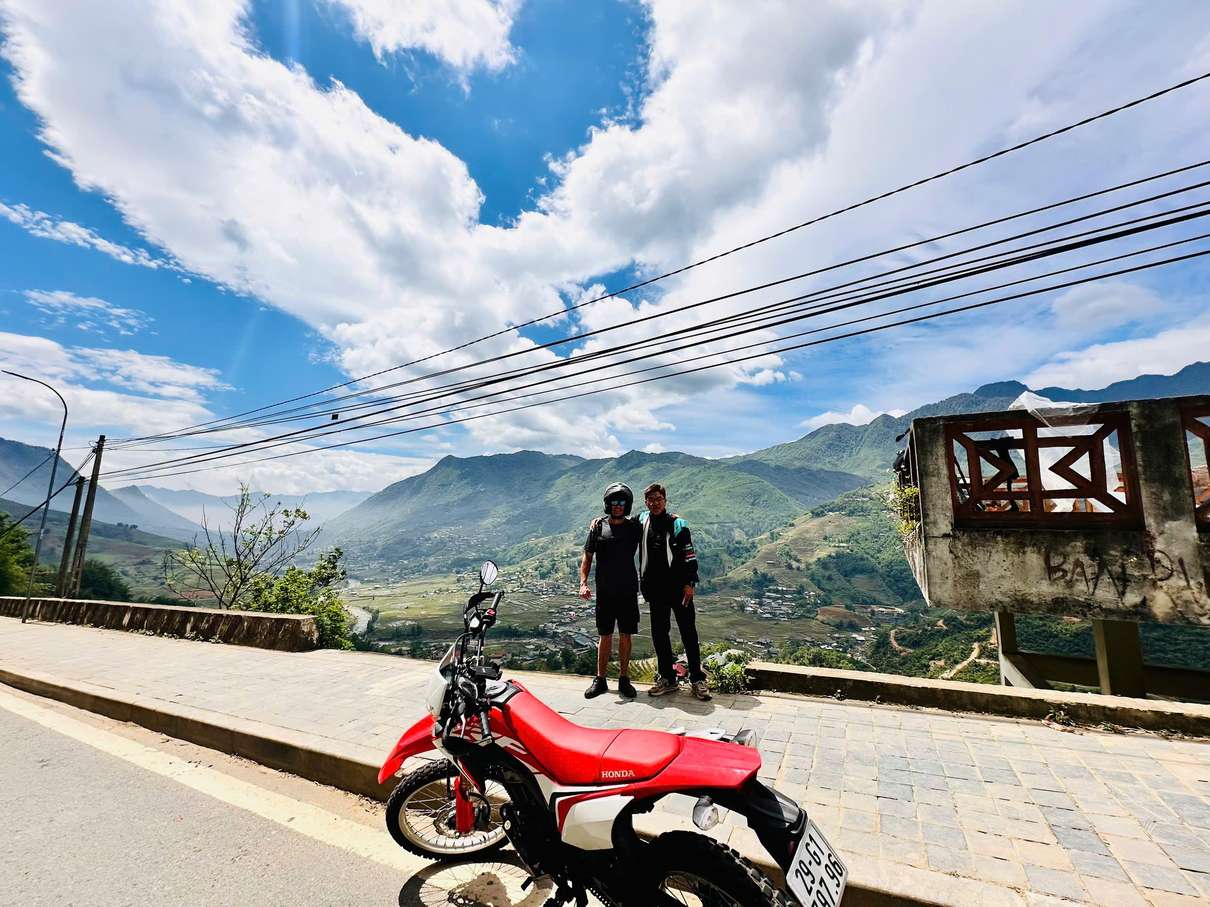
Weather & seasons
When to visit Sapa
Sapa is cool all year, and each season changes the landscape. Mountain weather can change within hours, so pack layers whatever the month.
| Months | Weather | Best for |
|---|---|---|
| Dec – Feb | Cold and often misty; frost or occasional snow on high ground | Quiet trails, cosy cafés, sea of clouds on O Quy Ho |
| Mar – May | Mild and mostly dry; water fills the terraces in April–May | Clear views, flowers, reflective terraces |
| Jun – Aug | Warm and rainy season; lush green rice | Green terraces, strong waterfalls |
| Sep – Nov | Cool, dry and clear; golden rice until the harvest | Golden terraces (Sep), long clear views |
Getting there
How to get to Sapa
By limousine van or sleeper bus: the most popular option. Services run daily from Hanoi’s Old Quarter and airport area along the Hanoi – Lao Cai expressway and take roughly 5–6 hours.
By night train: overnight trains run from Hanoi to Lao Cai station; from there it is about an hour by road up to Sapa.
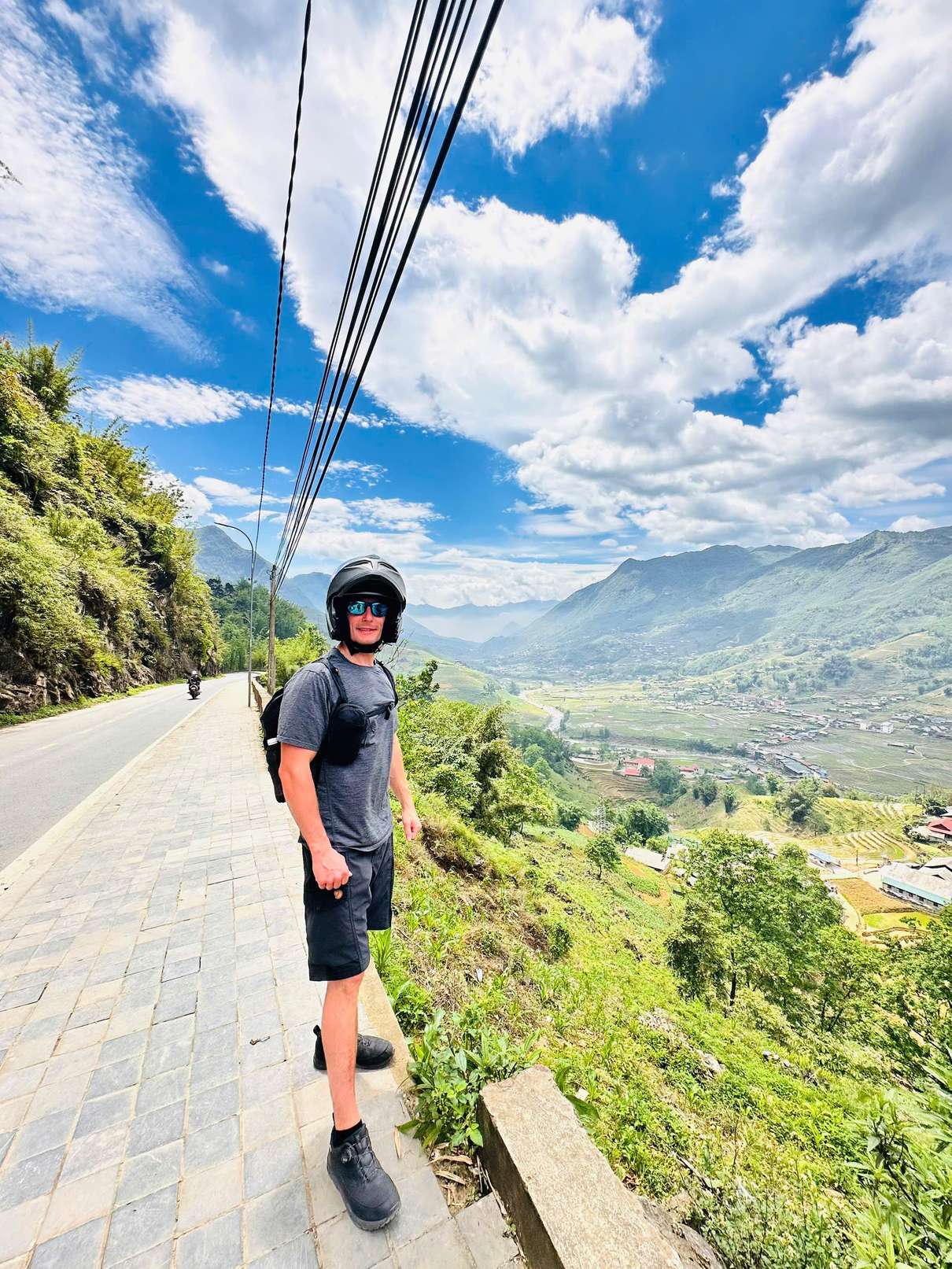
Getting around: the town centre is walkable. For the valleys and O Quy Ho Pass, a Jeep or motorbike with an experienced local driver is the easiest and safest option — roads are steep and winding.
Sapa travel FAQs
How many days do you need in Sapa?
Two to three days is ideal: one day for Muong Hoa Valley and the villages, one for O Quy Ho Pass and the Glass Bridge (or Fansipan), and time to enjoy the town. With only one day, a full-day tour covers both main routes.
What is the best month to visit Sapa?
September for golden rice terraces, April–May for water-filled terraces and March–May or October–November for clear, dry weather. Every season has its own beauty.
How do I get from Hanoi to Sapa?
Most travellers take a limousine van or sleeper bus on the expressway, which takes roughly 5–6 hours. Night trains run from Hanoi to Lao Cai station, about an hour’s drive from Sapa.
Which Sapa destinations can I see in one day?
Our full-day Jeep and motorbike tours combine Muong Hoa Valley, Lao Chai and Ta Van with Silver Waterfall, O Quy Ho Pass and Rong May Glass Bridge in one day, with lunch included.
See the highlights in one day
Our Jeep and motorbike tours combine the best of these places with a local guide. Ask us which route fits your dates.